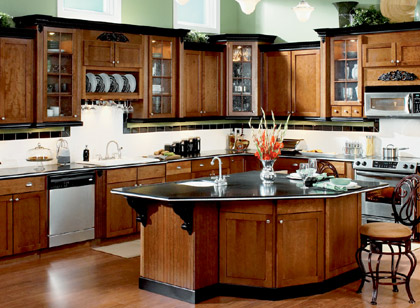
The kitchen is the heart of any home,
and like all things pertaining to the heart it’s the little things that make
the difference. Whether it’s intricately detailed glass inserts, decorative
molding, creative lighting, designer hardware of innovative storage solutions,
choosing the right finishing touches can truly make the room your own.
Whether your style is traditional or
contemporary, glass cabinetry inserts will add an element of sophistication and
style to your kitchen design. From classic to textured, etched or camed, glass
inserts create a feeling of open space within the cabinetry while showcasing
your serving ware.
Interior cabinet lighting helps you
easily locate cooking essentials or elegantly showcase stemware. Make food prep
easier by illuminating counter space with under cabinet task lighting. If you want to create a soft light above or
below your cabinets, you’ll want to consider linkable puck lighting and strip
sets. Look for interior cabinet lighting, which automatically illuminates the
space each time you open a door or cabinet drawer. For a more elegant
statement, mount decorative task lighting over your cabinets and shelves.
Very few decorative accents can
transform a room quite like moldings. Decorative moldings provide your
cabinetry and furniture with style and structure to create an overall graceful
balance throughout the room. Here are some molding ideas to consider when
designing your new cabinets:
● Above cabinet molding evokes a certain
style and creates height in your kitchen by carrying the beauty of the
cabinetry to the ceiling.
● Elegant at-ceiling molding gives your
cabinetry a traditional feel with a contemporary twist.
● Don’t forget to dress up the bottom of
your cabinets with decorative molding.
● Ornaments, onlays and corbels add
decorative detail to wall hoods, cabinet fronts, ceiling treatments and above
cabinet moldings.
The kitchen’s wall hood creates a
focal point in your kitchen, whether it’s over the island where the family
gathers or above the range where the cook prepares a meal. Today’s style trends
call for wall hoods in beautiful wood or streamlined stainless steel.
If you want your wine collections to
be incorporated into your kitchen design, you should check the specialty
storage options of your cabinet manufacturer. They are known for creating
custom wine racks and cabinets so you can properly store and showcase your wine
collections.
When it comes to storage options, the
list is endless for food, tableware, preparation, cooking and clean up. You’ll
find a wide range of cabinet and drawer sizes when it comes to roll-out trays,
rotating shelves, drawer dividers and organizers.
Streamlined and refined or elegantly
detailed, most cabinet manufacturers offer a wide selection of decorative
knobs, pills and coordinating accents to add the finishing touch to your
cabinetry selection. You can also choose from materials like stainless steel,
brass, pewter, iron, ceramic or hardwood stained to match your cabinetry.
Comments
Post a Comment